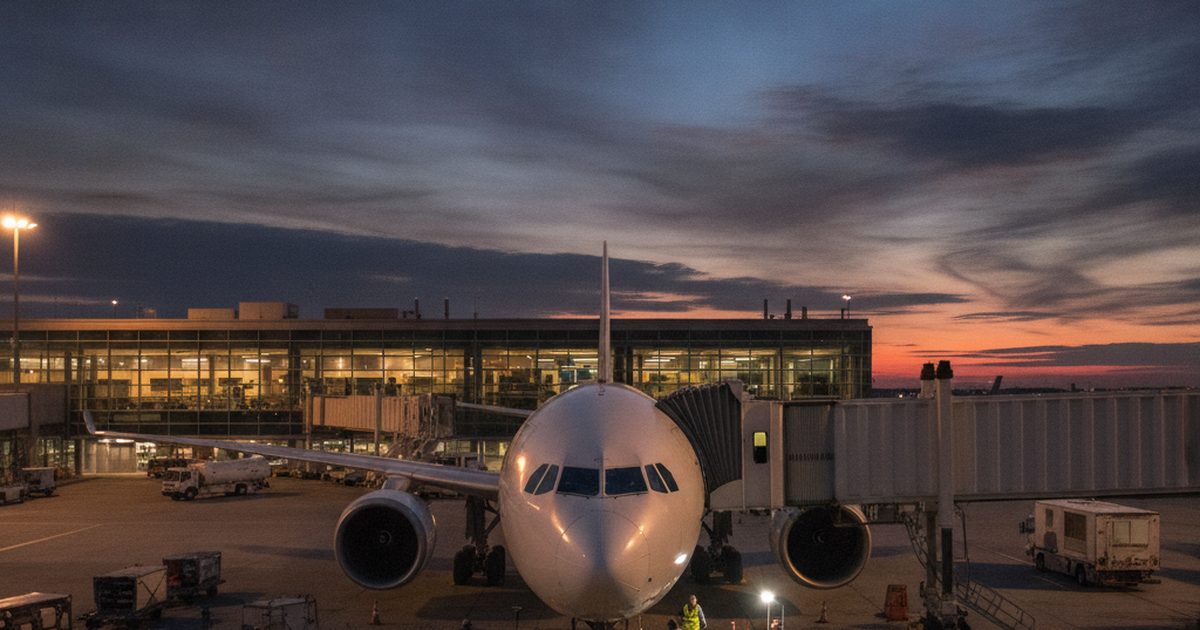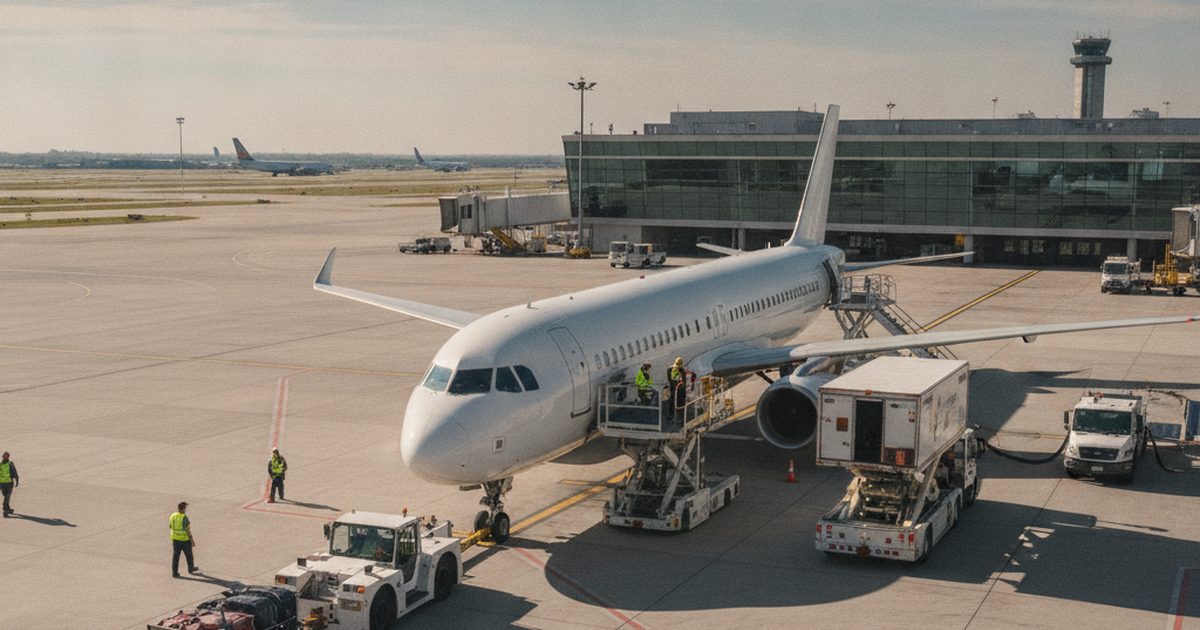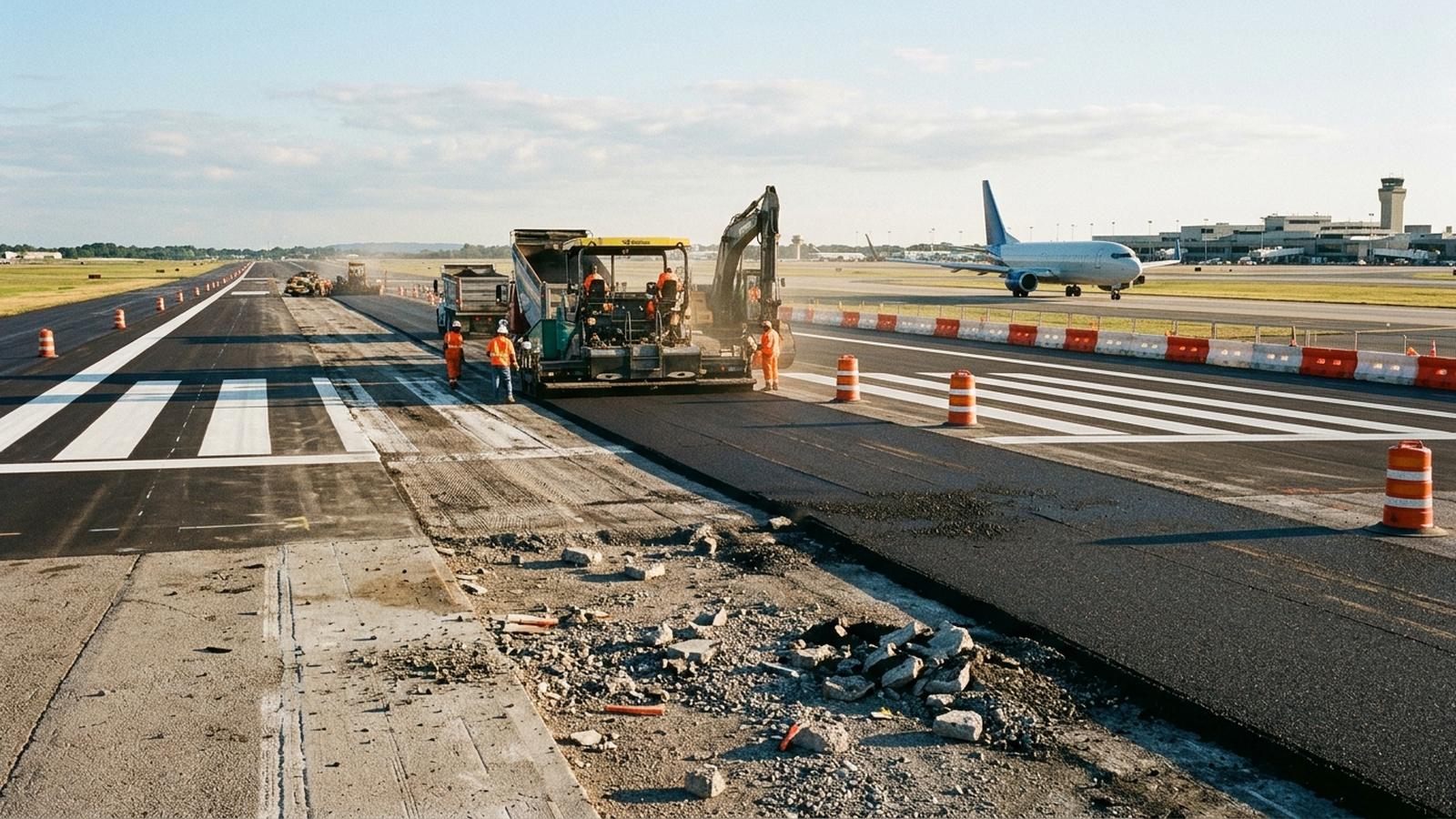
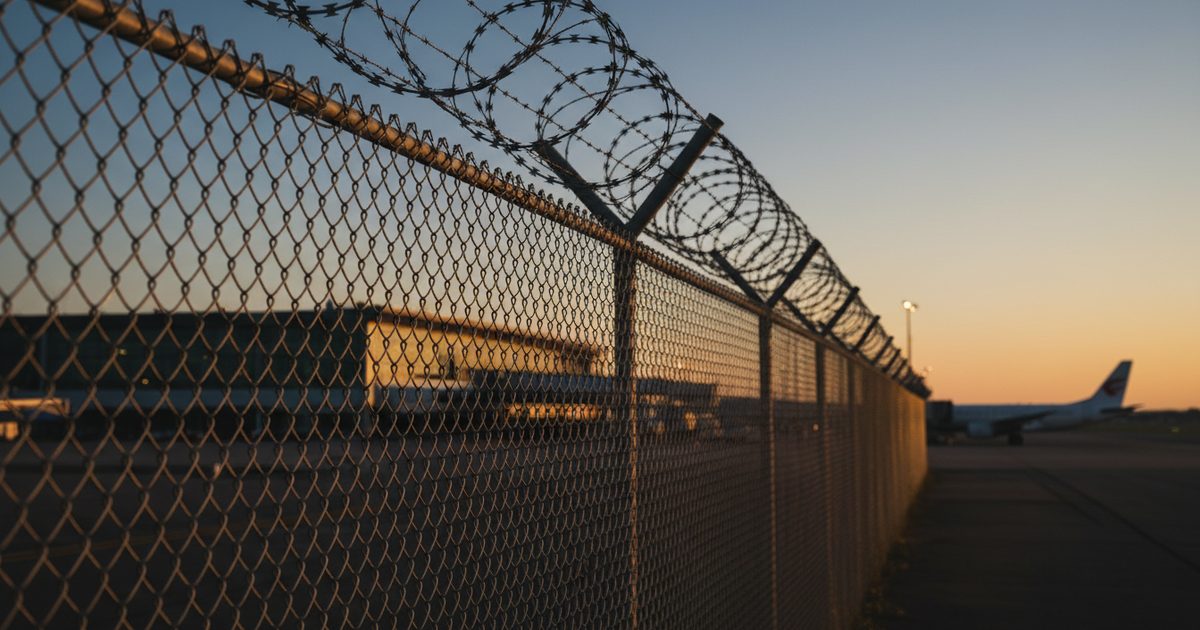
At most large US airports, three separate departments share responsibility for the same fence line. Security manages access control and TSA compliance. Wildlife management runs exclusion fencing and hazing under FAA guidance. Airfield operations handles movement-area FOD sweeps and runway incursion response. Each team has a clear mandate that works well within its own scope — and meaningful progress on airport perimeter security best practices doesn’t require new technology or capital. It starts with a different kind of conversation between teams that already exist.
The Three-Owner Problem: Why Airport Perimeter Responsibility Gets Split
The departmental division has sound regulatory roots. TSA, under 49 CFR Part 1542, governs airport security programs — access control, badging, surveillance. The FAA, through Advisory Circular 150/5200-33C, governs wildlife hazard management, and through Advisory Circular 150/5210-24A governs FOD management on the movement area. Each framework was designed independently, and each works as designed.
Scale magnifies the coordination problem. Denver International’s perimeter spans 36 miles across 53 square miles — roughly twice the area of Manhattan — and three separate departments are responsible for different parts of it. Mid-size Part 139 airports face the same coordination challenge at a smaller scale. The question isn’t whether the perimeter is being managed. It’s whether it’s being managed as one perimeter.
When the Threats Converge: The Wildlife-FOD Chain
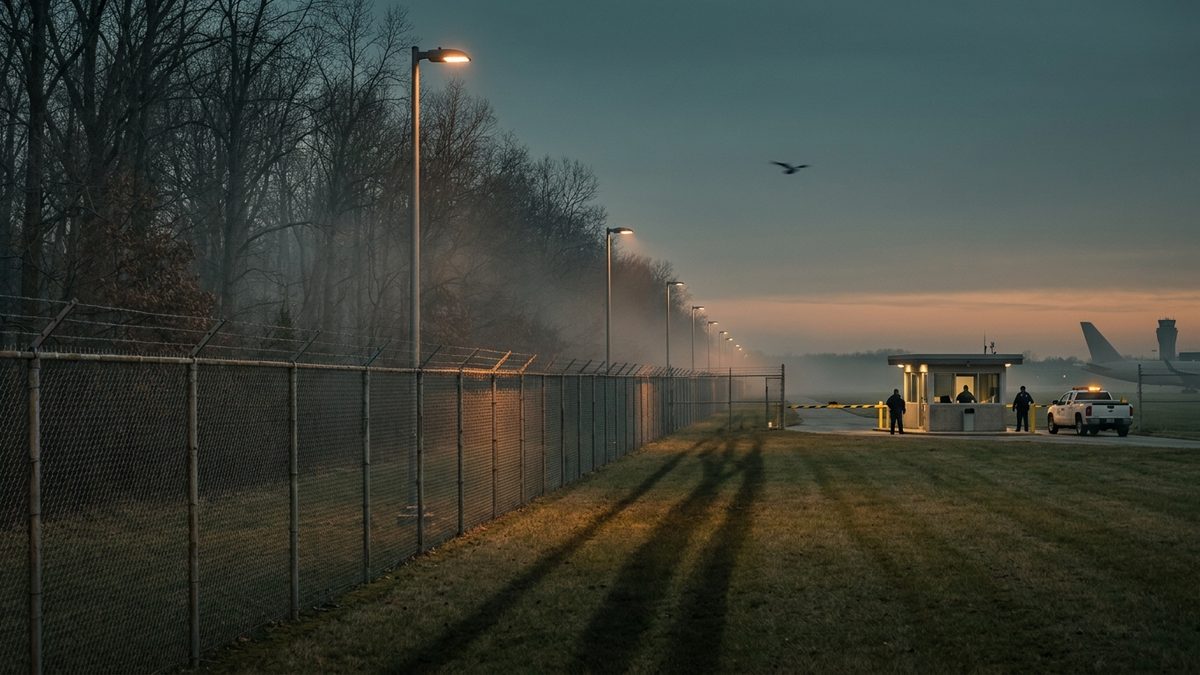
Threats don’t respect departmental boundaries. A fence gap lets an animal into the movement area. A strike follows. The carcass becomes FOD — capable of engine ingestion or tire damage on the next departure. Wildlife logs the strike. Airfield operations sweeps the debris. Without a shared record connecting the fence condition to the debris event, the underlying gap can repeat for weeks before the pattern is recognized.
Human breaches are no different. In 2012, a stranded jet skier swam three miles through Jamaica Bay, climbed an 8-foot fence at JFK, and walked across two active runways and into Terminal 3 — passing through a $100 million Raytheon perimeter intrusion detection system without triggering a response in time. In 2017, fifteen activists at London’s Stansted cut a perimeter fence and immobilized a deportation flight for hours while security, airside ops, and airport police responded under separate command structures.
The pattern repeated this month at Denver International. On May 9, 2026, a trespasser was struck and killed by a departing Frontier Airlines jet, and subsequent reporting revealed that DEN’s perimeter intrusion detection system had alarmed hours earlier and was dismissed as a deer. The detection layer worked. The cross-department interpretation did not. Within days, passengers from the affected flight filed a $10 million claim citing the airport CEO’s own characterization of the death as “preventable.” The detection-to-decision gap had a name, a date, and a cost.
Airport Perimeter Security Best Practices vs. the Federal Floor
The federal regulatory framework establishes a security baseline, not a coordination standard. TSA’s 49 CFR Part 1542 requires airports to prevent, detect, and respond to unauthorized entry, but it doesn’t mandate PIDS deployment, wildlife-security coordination, or cross-departmental perimeter audits.
The Government Accountability Office documented this gap in 2016. GAO-16-632 issued six recommendations — including a system-wide vulnerability framework and improved incident data sharing — and TSA agreed with all six. Nearly a decade later, those recommendations remain a roadmap for airports looking to move beyond compliance.
Israel’s Ben Gurion Airport is often cited as the benchmark: physical barriers, PIDS, AI-enhanced cameras, and multi-department response operating under a unified command structure built around integration from the start. Airports with comprehensive FOD and safety programs are increasingly building those principles into new perimeter infrastructure as a design requirement rather than a retrofit.
The Technology Bridge: PIDS as a Shared Platform
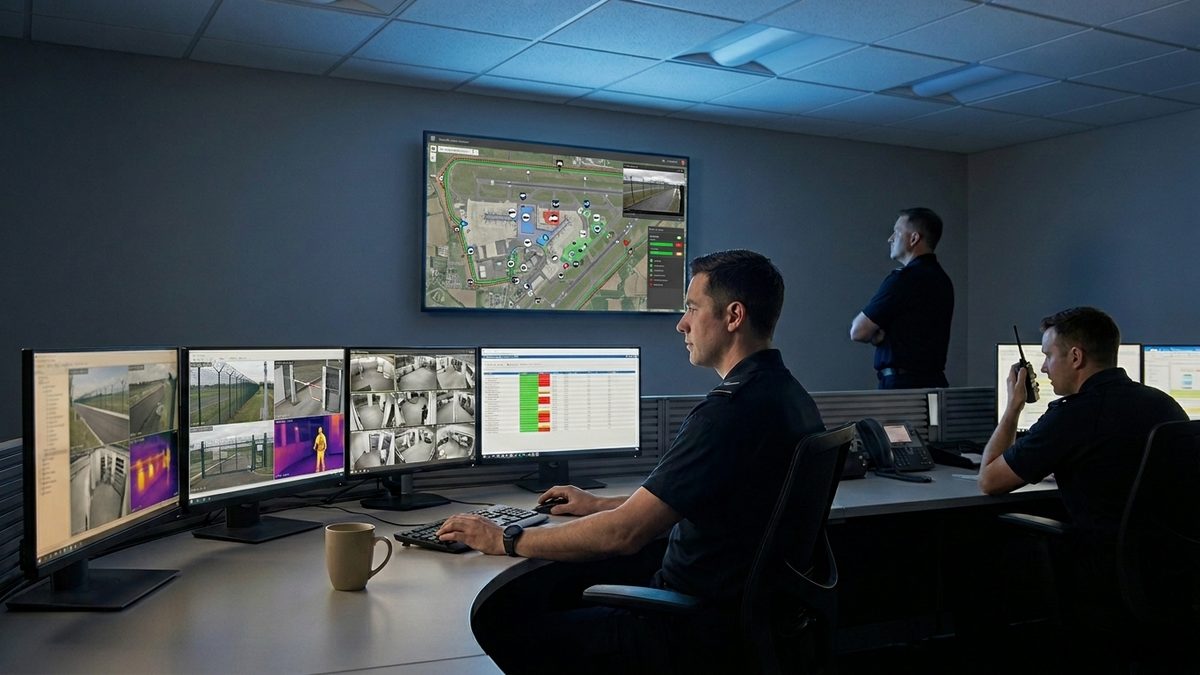
Technology supports integration when it functions as a shared operational platform rather than a single-department tool. Modern PIDS options — fiber-optic ground sensors, ground-based radar, AI-classified CCTV — can distinguish a deer, a human intruder, and wind-blown debris in near-real time. Airports deploying advanced PIDS have reported up to 60 percent reductions in unauthorized perimeter activity, and the global airport perimeter security market is projected to reach $6.3 billion by 2031.
The business case strengthens when the use cases are counted correctly. Security uses PIDS for human intrusion detection. Wildlife management uses camera coverage to identify hazing triggers. Airfield operations uses perimeter visibility to monitor for FOD-generating conditions. These are three applications of the same sensor infrastructure — not three separate procurement needs — which makes a cross-department budget conversation substantially cleaner. Perimeter integration is the outer layer of a complete aviation FOD prevention program running from the fence line to the runway threshold.
A Unified Perimeter Playbook: Five Practical First Steps
For airports ready to move toward integrated perimeter operations, five concrete steps require no new equipment and no capital investment.
- Convene the three-department perimeter meeting. If security, wildlife management, and airfield operations haven’t been in the same room about the fence line in the past twelve months, that’s a useful first agenda.
- Create a unified perimeter log. A shared record — even a shared spreadsheet — where all three departments document perimeter anomalies, wildlife sightings, FOD recoveries, and access events. Pattern recognition requires shared data, and frameworks like PARAS 0061 and PARAS 0015 offer useful structure.
- Map coverage gaps. Walk the perimeter with representatives from all three departments to identify zones where no department has a standing response obligation. FAA CertAlert 16-03 recommends daily inspections for wildlife exclusion fencing as a useful baseline.
- Build a joint seasonal review into the calendar. Before peak migration and nesting season — typically February and again in late summer — run a combined wildlife-security-operations briefing. Threats vary seasonally, and coordination should follow.
- Integrate alert routing. Whatever detection capability exists today, ensure a perimeter alert notifies all three departmental contacts simultaneously rather than passing through the originating team first.
The airports leading on perimeter integration tend to share an observation: the hardest part is rarely the technology or the budget. It’s the coordination — and the calendar invite that gets it started.
FOD Control supports airport safety teams with resources on integrated perimeter operations and comprehensive FOD prevention programs. Explore our airport safety program resources to learn more about how leading airports structure their airfield operations.