The Repair Bill Is Just the Beginning
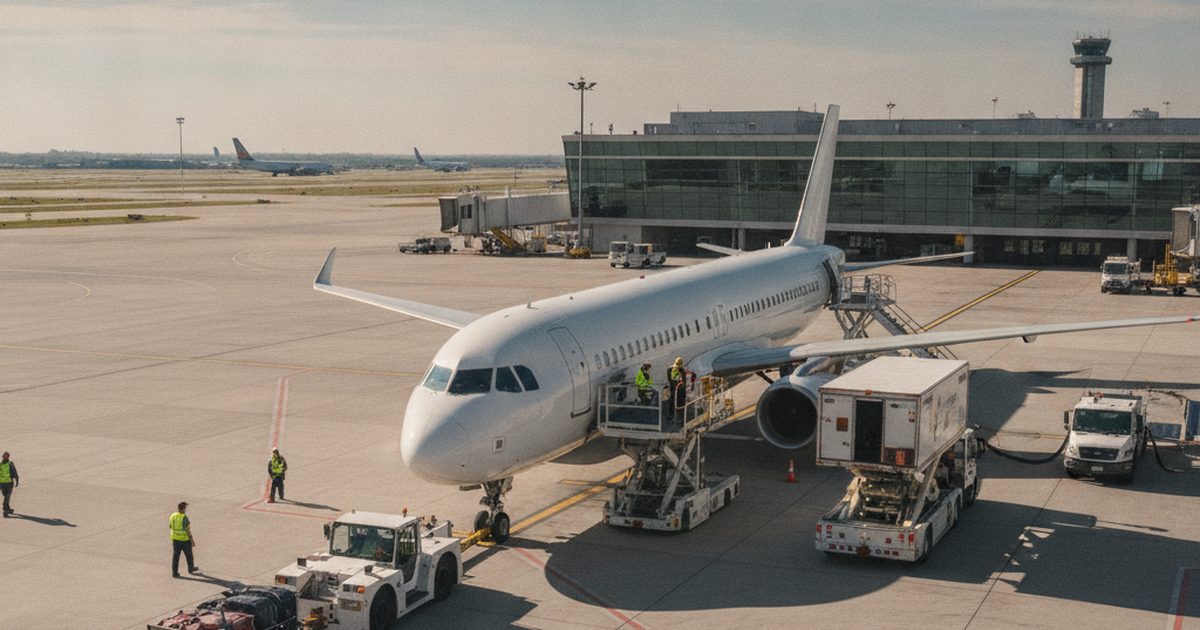
A ramp worker finds a broken hand tool on the taxiway. A wheel chock rolls loose. Or a sheet of aluminum flashing peels off a hangar roof and lands on the movement area. On paper, each looks like a minor housekeeping problem. In practice, any one of them can trigger a chain of costs that dwarfs the invoice for a bent fan blade or a punctured tire.
Most operators, when asked to estimate the cost of FOD damage, picture the repair line item: parts, labor, maybe a tow. That number is real, but it’s only the opening entry in a longer ledger. Industry researchers have pegged the global cost of FOD at roughly $4 billion a year in direct costs, per Boeing’s often-cited figure. Once indirect costs are included, that estimate climbs to $13 billion, and the FAA’s own research points even higher.
Understanding the true cost of FOD damage at an airport means following the incident past the maintenance hangar. It runs into scheduling, finance, legal, and public relations — that’s where the real money disappears.
Downtime: The Cost That Keeps Climbing
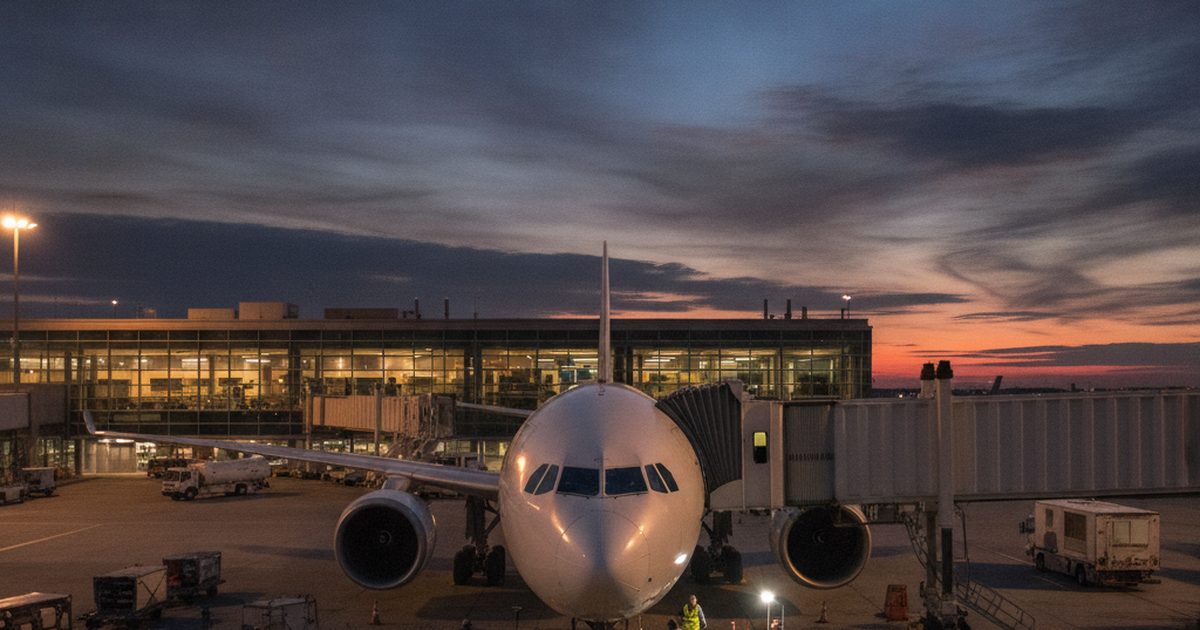
Once an aircraft is grounded for inspection or repair, the clock starts running against revenue, not just against a repair estimate. Industry estimates place the cost of an aircraft-on-ground (AOG) event at $10,000 to $150,000 per hour, depending on aircraft type and route. Every hour on the ground includes lost ticket revenue, crew disruption, and knock-on scheduling costs.
A single engine strike severe enough to require teardown and inspection can idle an aircraft for days, not hours. Consequently, a repair that costs a few hundred thousand dollars in parts can generate a downtime bill several times larger before the aircraft ever returns to service.
This dynamic isn’t unique to commercial aviation, either. The same math applies at military airfields, manufacturing plants, motorsport venues, and any industrial site with expensive, revenue-generating equipment. A single piece of debris can idle that asset, and the hidden multiplier is always downtime, not the part itself.
Delays, Diversions, and the Ripple Effect
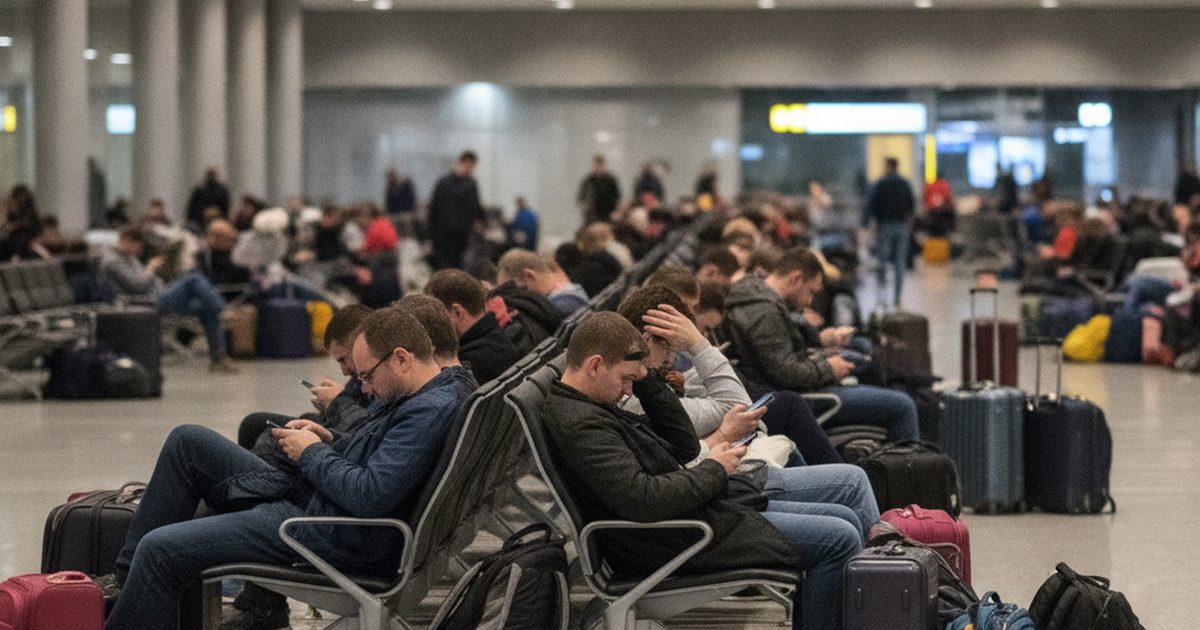
A grounded aircraft rarely stays a single-flight problem. Because airlines run tight rotations, one FOD-damaged aircraft can cascade into delayed connections, missed crew duty windows, and cancellations several cities away. Research cited by EUROCONTROL puts the cost of tactical flight delays at over €160 per minute at the gate, and that figure multiplies fast across a disrupted schedule. Industry estimates suggest flight disruptions cost airlines roughly $60 billion a year in aggregate — a reminder that the ripple effect, not the initial event, often does the most damage.
At the airport level, this shows up as gate conflicts, ground crew overtime, and rebooked passengers competing for the next available seats. None of that appears on the repair invoice, yet all of it traces back to the same piece of debris.
The Costs You Can’t Invoice
Passenger compensation is one of the more visible downstream costs of FOD damage. Under regulations like EU261, airlines can owe compensation of up to €600 per passenger for sufficiently long delays or cancellations. That liability scales with the size of the aircraft, not the size of the incident that caused it.
Reputational cost is harder to quantify but no less real. Passengers who experience a canceled flight because of runway debris don’t distinguish between “FOD incident” and “the airport wasn’t doing its job.” That perception affects future bookings and airline route decisions, and it shows up in airport ratings in ways a maintenance ledger never captures.
Then there’s the paperwork. Every FOD incident triggers investigation, documentation, and regulatory reporting obligations. Under 14 CFR Part 139, certificated airports must address FOD in their self-inspection programs. A serious incident can mean hours of staff time producing reports for the FAA’s Airport Safety and Operations division and, in severe cases, insurers and legal counsel.
Insurance, Closures, and Lost Throughput
Insurance premiums respond to claims history. An airport or airline with a pattern of FOD-related claims can see premium increases that persist for years. It’s a slow-burn cost rarely connected back to the original event.
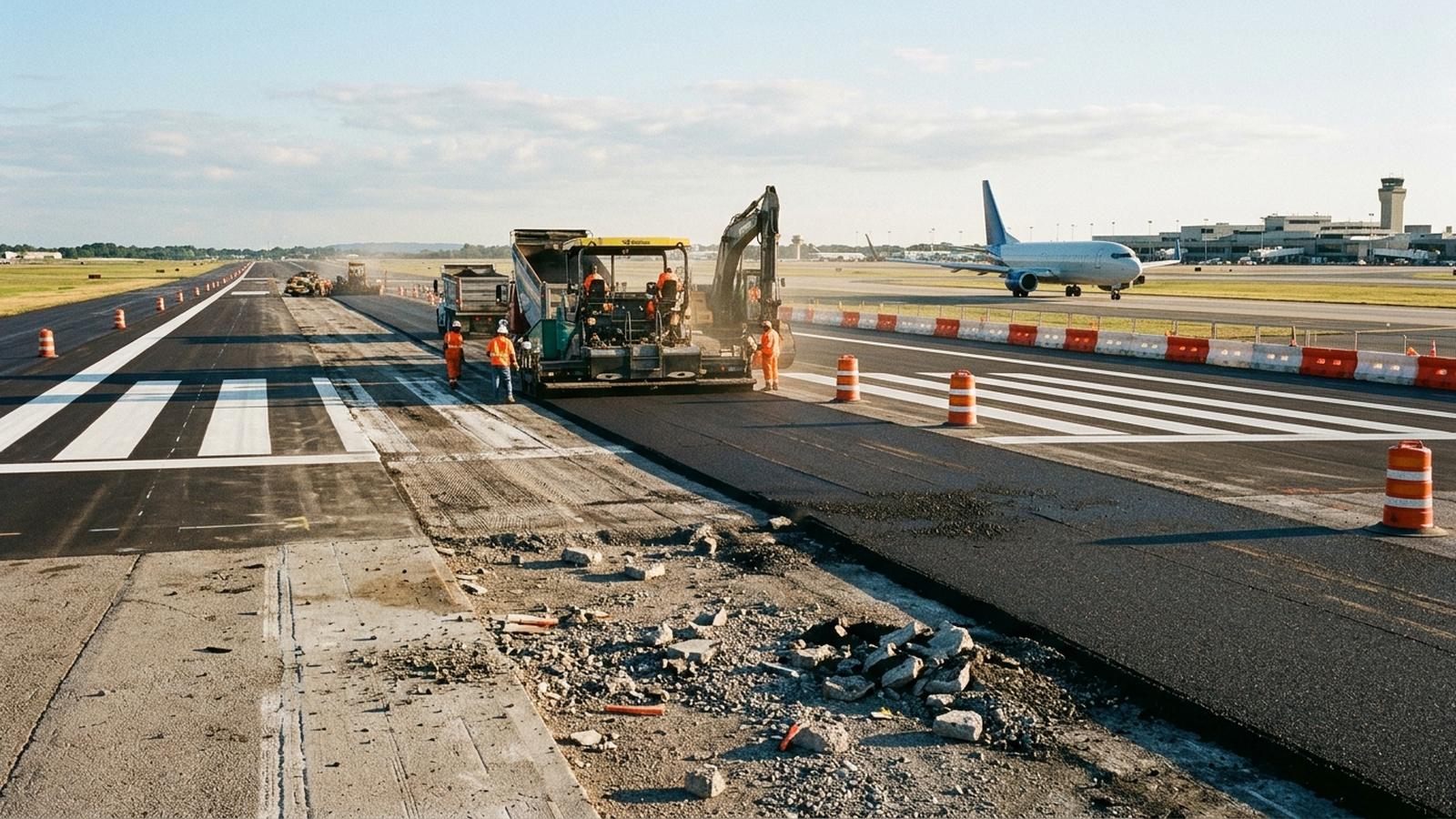
Runway or apron closures compound the problem further. Even a short closure for inspection and debris sweep delays every aircraft scheduled to use that surface. At a busy hub, that lost capacity is rarely recovered; it simply becomes a permanently smaller number of movements for the day.
Add in personnel time: inspectors, sweep crews, supervisors, and the staff who compile the incident report. The cost of FOD damage at an airport starts to look less like a single bill and more like a sustained drain across several departments.
Safety Culture and the Liability You Can’t See
There’s also a cost that never appears on any invoice: what a serious FOD incident does to safety culture. When debris causes injury or a near-miss, morale takes a hit. Liability exposure rises, too, for the airport authority, the ground handler, and any contractor whose equipment shed the debris in the first place.
This exposure isn’t limited to commercial airports, either. Military airfields, motorsport circuits, and industrial logistics yards carry the same liability dynamic whenever debris and high-value moving equipment share the same surface. The operating context changes; the underlying risk math does not.
Why Prevention Is the Cheapest Line Item
Once you add repair costs, downtime, delay ripple effects, compensation, documentation, insurance, closures, and liability together, the case for prevention writes itself. A dedicated FOD-Razor® airport sweeper costs a fraction of even one moderate engine-strike incident. It also runs continuously as a standing defense rather than a reactive response.
Preventive sweeping and inspection function, in effect, as an insurance policy that pays for itself the first time it stops an incident before it happens. Airports that treat FOD prevention as a recurring operational line item, rather than an emergency response after the fact, consistently spend less overall. That’s true even though the prevention program shows up on the budget every month.
For a broader look at how prevention programs fit into airport safety operations, see our getting-started guide to FOD prevention in aviation. If you’re still building the case internally, start with our overview of what FOD actually is, then move to our guide on setting up a company FOD program.
Key Takeaways
- The direct repair bill is only the most visible layer. Industry estimates put the global cost of FOD damage as high as $13 billion a year once indirect costs are included.
- Aircraft downtime (AOG) alone can cost $10,000 to $150,000 per hour, often exceeding the original repair estimate within a single day.
- Delays, diversions, and cancellations ripple outward into scheduling, crew duty limits, and passenger compensation obligations.
- Documentation, insurance premium increases, and lost runway throughput are slow, compounding costs that persist long after the incident is resolved.
- Prevention — through routine sweeping and a documented FOD program — consistently costs less than a single serious incident.
Want help quantifying your facility’s exposure or building a prevention plan? Contact our team to talk through your airfield’s specific risk profile, or grab our free FOD prevention booklet for a practical starting framework.